
Did you know that 90% of the world’s cheetahs have vanished in just the last 100 years? Dr. Laurie Marker, Founder of Cheetah Conservation Fund, has devised a way for dogs to protect them!
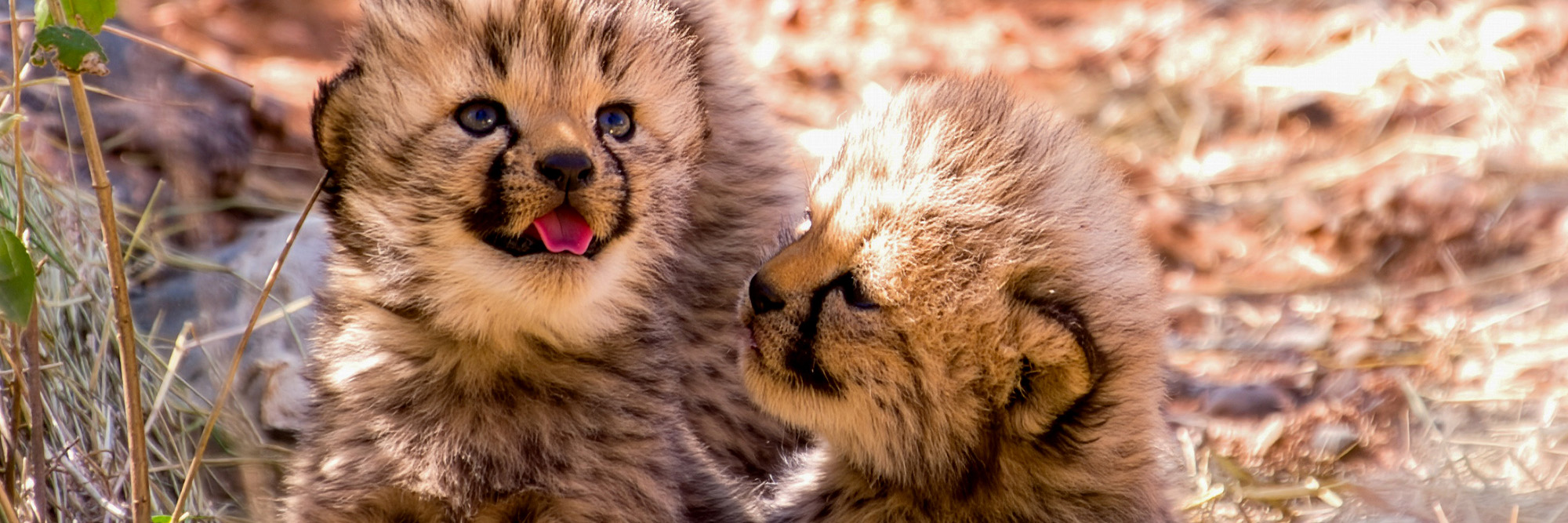
DonateTheir cubs, they’re quite cute. They have a really interesting chirp which is a ow, ow, ow, ow!
And through mimicry is they look like a honey badger, which is a very aggressive African animal and that’s actually a protection for them when they’re not with their mom all the time.
They kind of fly through the air. And there’s two points to the stride that they are not touching the ground at all when they’re all the way extended, and then when they’re running their tail acts as a rudder for balance.
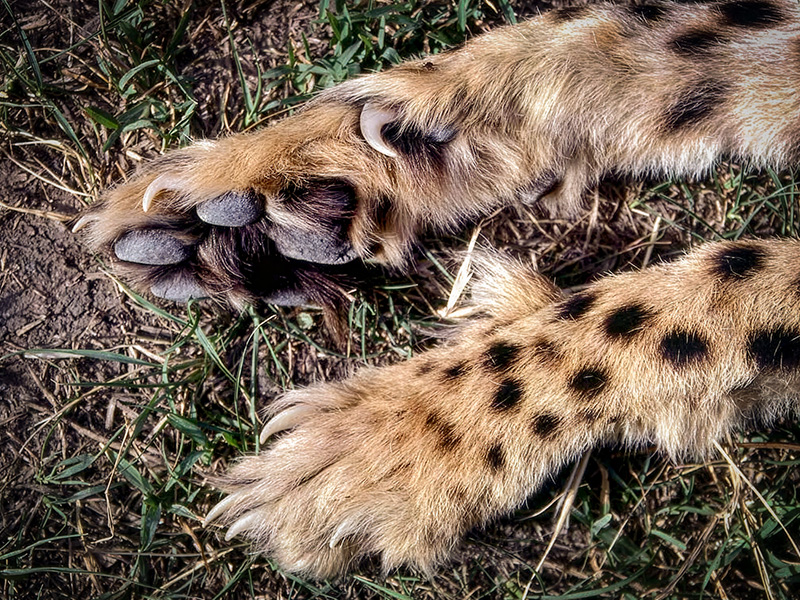
So they’re just the best hunter in all of the savannah. Cheetahs are built for speed but not power and aggression, so they don’t have big powerful bones and big teeth, or sharp claws. Their claws are more doglike but again not being an aggressive animal. Lions and hyenas, jackals even will take the the cheetah’s food from it.
We’ve lost about 90% of the cheetahs in the last 100 years, from about 100,000 cheetahs 100 years ago to today, sadly, less than 7,500 cheetahs.
In the middle 70s, I went to Namibia for the first time. And that’s when I found that farmers were killing cheetahs. Farmers were killing cheetahs like flies. They said, “Uh, they’re horrible.” It’s a threat to their livestock.
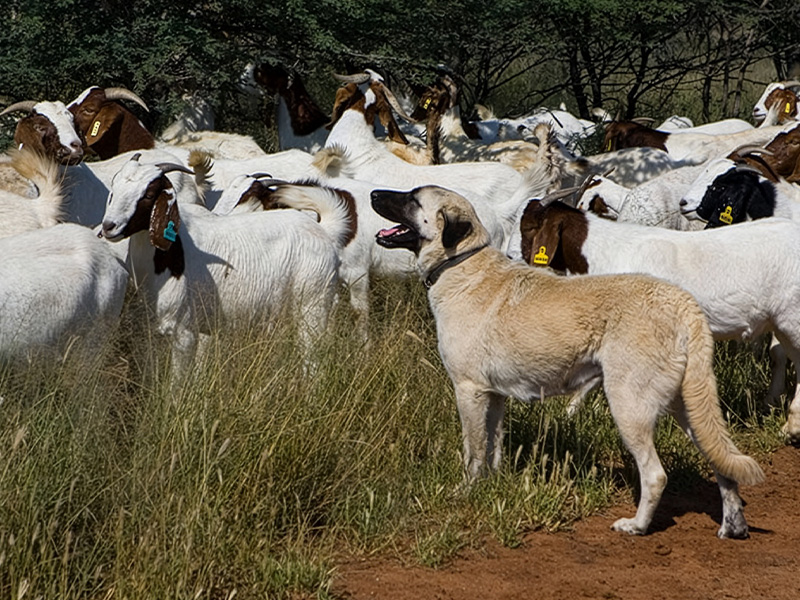
So, I really wanted to see if there was a way that I could stop the killing. We developed use of livestock guarding dogs. We use a large breed of dog, the Anatolian Shepherd. They come from Turkey. They’ve been used for over 5,000 years to protect the livestock from wolves and bears. We breed them. We place them on the farmers when they are about 10 weeks of age. And we’ve seen a loss in livestock to the farmers that have the dogs by over 80-100%. So they have been very very effective. So that means that the farmers don’t have to kill cheetahs.
Cheetah is not a fighter, and so they will stay far away from a barking dog like that. Just to raise the dogs up and and place them, it’s about $500 per puppy that we place.
And so I’d really like to thank Endangered Species Revenge for the support that they’re giving us to help with our dog program. So it’s dog saving cats or “bucks for pups”, but we’d like to place as many dogs as we can. So please help us help Endangered Species Revenge help the cheetah.
The Greatest Hunters Of The African Savanna
Although cheetahs are the world’s fastest land animal, and African Savanna’s best hunter, they are Africa’s most endangered big cat.
These incredible cats can reach speeds of 60-75 miles per hour, and have the stamina to tire out their prey, such as antelope, by chasing them over long distances.
There are many physical traits which make cheetahs such efficient hunters—who catch their prey on 75% of their attempts.
Most importantly, cheetahs are extremely thin, with small bones, which makes them lightweight and aerodynamic. Indeed, at two points in their full-speed pursuit—all four of their legs are in the air at the same time – as if in flight!
Secondly, they are the only big cats who do not have retractable claws – so that their protruding claws can firmly grip the ground and push off the ground—just like the cleats professional soccer players, baseball players and American football players use.

Why Cheetahs are Endangered
Unfortunately, the same trait that makes cheetahs the best hunters of the Savanna—their slim build – helps make cheetahs critically endangered. For this slight build, compared to more muscular build of lions and leopards, result in 70% of cheetahs’ successfully-caught prey being stolen by these larger cats, and by more aggressive animals such as hyenas, and painted dogs—whose packs intimidate cheetahs.
In addition to having most of their catch stolen from them, cheetahs are endangered for many other reasons.
One heartbreaking reason is that poachers kill mother cheetahs in Eastern Africa, then smuggle orphaned cheetah cubs through poverty-stricken, war-torn Yemen, in order to ultimately sell the cubs to wealthy men in Arab and Gulf states, who like to show off that they own large exotic pets; often posting foolhardy clips of themselves feeding these cheetahs (and pet lions) on the internet, and showing off their wealth by placing the cheetahs in sports cars and yachts.
Sadly, many or all of these smuggled cubs die from lack of water and food while still in Yemen—due to the cruelty and lack of education of their handlers – before they reach even their final destinations. Although some Gulf States have recently made it illegal to own cheetahs and other exotic pets – a major problem is that there are not enough wildlife refuges or rehabilitation centers in which to place confiscated adult cheetahs.
Dr. Laurie Marker’s Successful Project to Save Them: Dogs Saving Cats!
Thankfully, Dr. Laurie Marker has found an ingenious, incredibly successful, and heartwarming, way to save cheetahs—which resulted from her horror at seeing farmers and ranchers of goats and cattle in Namibia shoot and poison cheetahs en masse—to stop cheetahs from killing their livestock.
Dr. Marker first became fascinated with cheetahs in the 1970’s in Oregon, and soon became one of the world’s authorities on cheetahs, after studying them in Africa, then at Cambridge University, and devoting her life to saving them. Laurie’s story mirrors that of Jane Goodall’s, who studied chimpanzees in Africa, and then at Oxford University – where she, just like Laurie, knew more about “her” animal than her male professors!
In her highly successful project in which dogs save cats, Laurie’s Cheetah Conservation Fund trains Anatolian Shepherds, an extremely large breed of dog, to bark at the sight of cheetah. She raises them from pups, and then places them with ranchers. And because the loud, big barking dogs scare the cheetahs away, ranchers do not have to shoot them!