

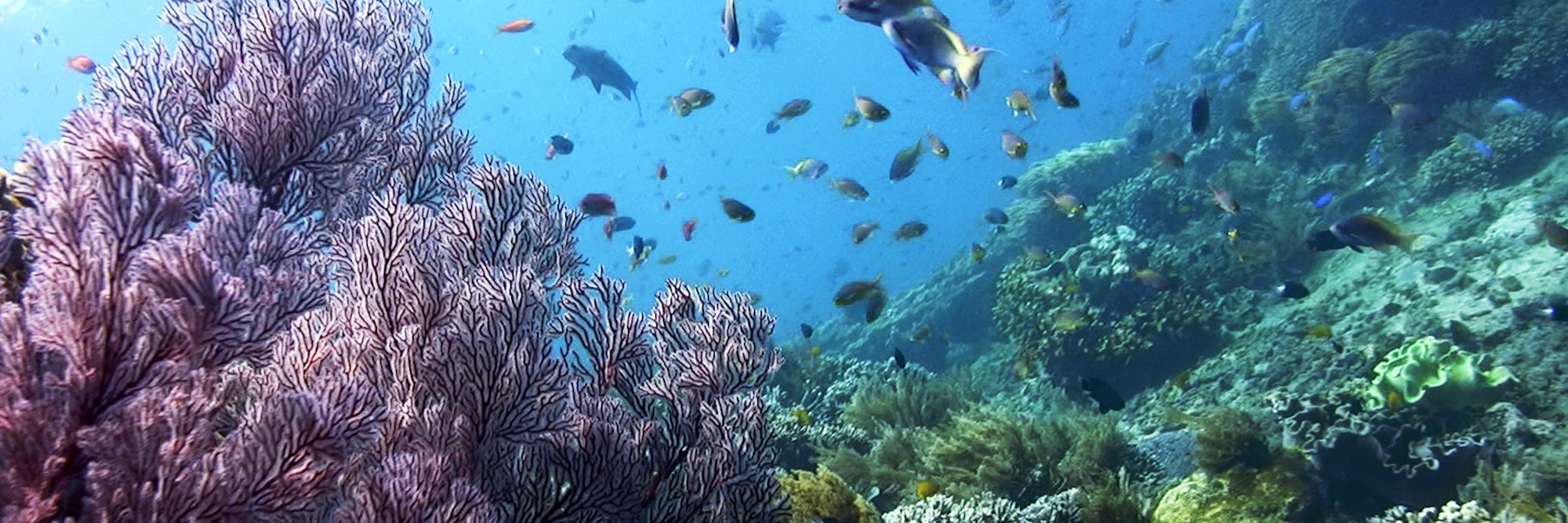

An astonishing 75% of the world’s coral reefs are already dead or damaged due to climate change. Dr. Ruth Gates is in a race against time to discover “super corals” that can survive the rising ocean temperatures caused by climate change.
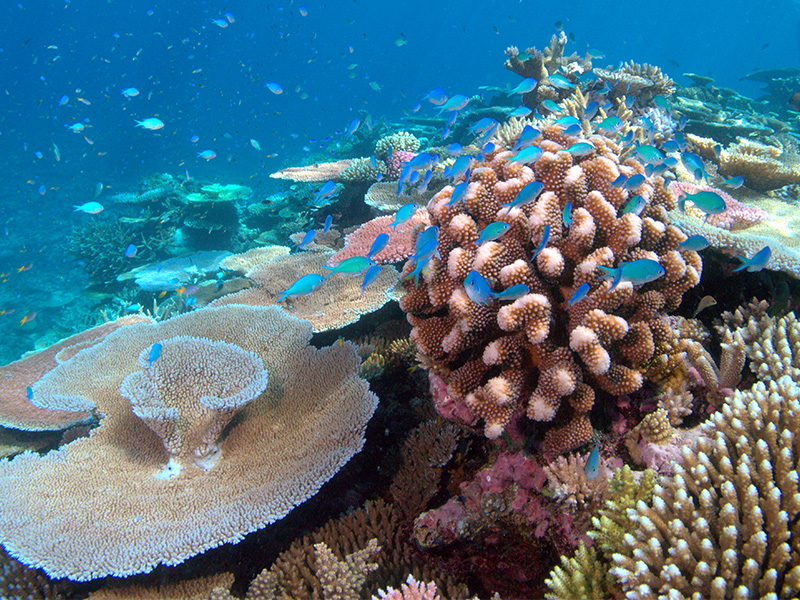
In MemorialCorals are extremely important because they deposit these amazing structures. Corals produce an enormous amount of space and complexity of spaces for other organisms to live in.
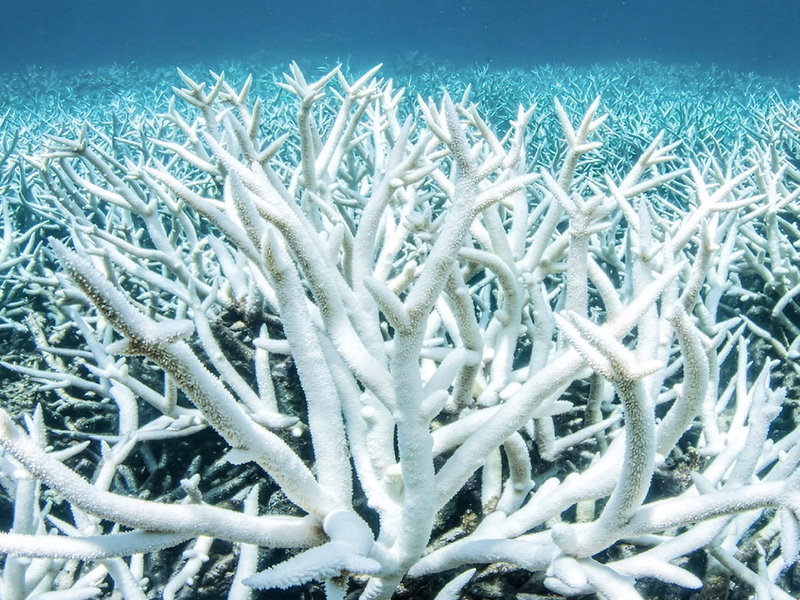
But when corals are exposed to increasing seawater temperatures associated with climate change, their tissues will turn pale or white. And that’s what we describe as coral bleaching. And what it really means is that the symbiotic algae that live inside the coral’s tissues and give them their color. They’ve been lost and the coral will eventually die.
75% of the corals are dying as a result of a bleaching event. That’s what you would hear reported in the literature. What the literature doesn’t say is that 25% survive. And they are our super corals. They are the ones that are thriving in conditions that are making others very ill.
When you’re looking at a coral, you’re actually seeing two organisms. One would be the coral itself which is the whole finger here. But living in the coral tissue are the single cell algae which we call symbions.
Corals are the sum total of thousands of tiny polyp. And each of those polyp looks a little bit like an anemone that stretches across the skeleton and joins to the polip next door. The color of the coral reflects millions of tiny algae that are living inside the animal cells.
If we can find out why certain corals survive warmer seawater temperatures, we can potentially grow them on mass in the laboratory and replant them on reefs to grow entire coral reef ecosystems.
Ruth exposes the coral to higher temperatures and identifies which corals best survive the heat. Ruth even measures what DNA is most active in corals when water temperatures rise.
So, one thing we really don’t know is how quickly corals grow. And technology is the answer. These amazing cameras allow us for the first time to start to see how quickly or slowly corals grow, either when they’re young or when they’re old, or when they assemble with others within their species or across reefs that are made up of many different species.
How impactful is it when they interact with fish? We need to understand how they grow so that we can grow them as quickly as possible. and as many of them as possible and start to get the reefs replanted with these corals that can survive climate change warming.
This camera cost $105,000 and to actually get it installed on the reef will take another $20,000 of electronics and solar power. I can’t thank Endangered Species Revenge enough for their donation that enabled us to purchase this first camera and for their continued support that will allow us to deploy this camera on the reef and hopefully to repeat this camera in multiple places across different coral reefs that have different environmental characteristics.
Remember, climate change warming is destroying reefs around the world. We don’t have a lot of time to play here. So, we have to learn as much as we can as quickly as possible. And these amazing cameras allow us to do just that.
So, please help us raise some money so that we can start to put cameras across the reef and understand how corals grow. And that knowledge of course will underpin how we replant super corals on the reef that can survive climate change and persist as reef systems through this warmer future that we know is now inevitable.
Why Coral Reefs Matter
Coral reefs are vital to marine ecosystems because they produce an enormous amount of space and complexity of spaces which other species live in.
What Coral Bleaching Is—and what are “Super-corals”?
But when corals are exposed to rising temperatures and acidity due to climate change, their colors turn white, which is called coral bleaching. And what that really means is that the millions of colored algae cells that live inside the coral have died…so the coral itself will eventually die.
Sadly, 75% of the world’s corals are dying due to bleaching. Yet mysteriously, 25% of them are thriving in the same conditions which are making the others extremely ill. And Dr. Ruth Gates calls these our “Super-corals.”
Can super-corals save coral reefs?
Ruth hopes that if she can discover why certain corals can withstand rising temperatures and acidity, then she can reproduce them in great quantities in the laboratory, then replant them across the ocean floor—bringing new coral reefs to life.
Ruth’s initiatives to discover super-corals
To discover super-corals, Ruth uses sophisticated laboratory experiments—which even test which DNA in the coral is most active during bleaching.
In addition, she has installed state of the art cameras on the ocean floor – to measure how fast coral grows under various conditions—something which remains a mystery to this day.
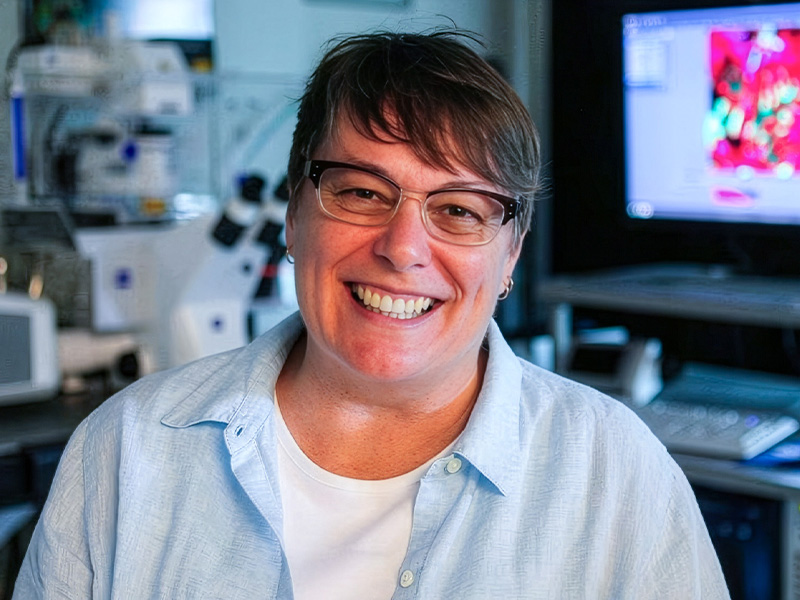
Dr. Ruth D. Gates
Hawaiʻi Institute of Marine Biology
(1962–2018)
Dr. Gates's research and philosophy continue to shape coral restoration efforts worldwide.